
Sponsorship Opportunities in Nashville: Looking Beyond Logo Placement
/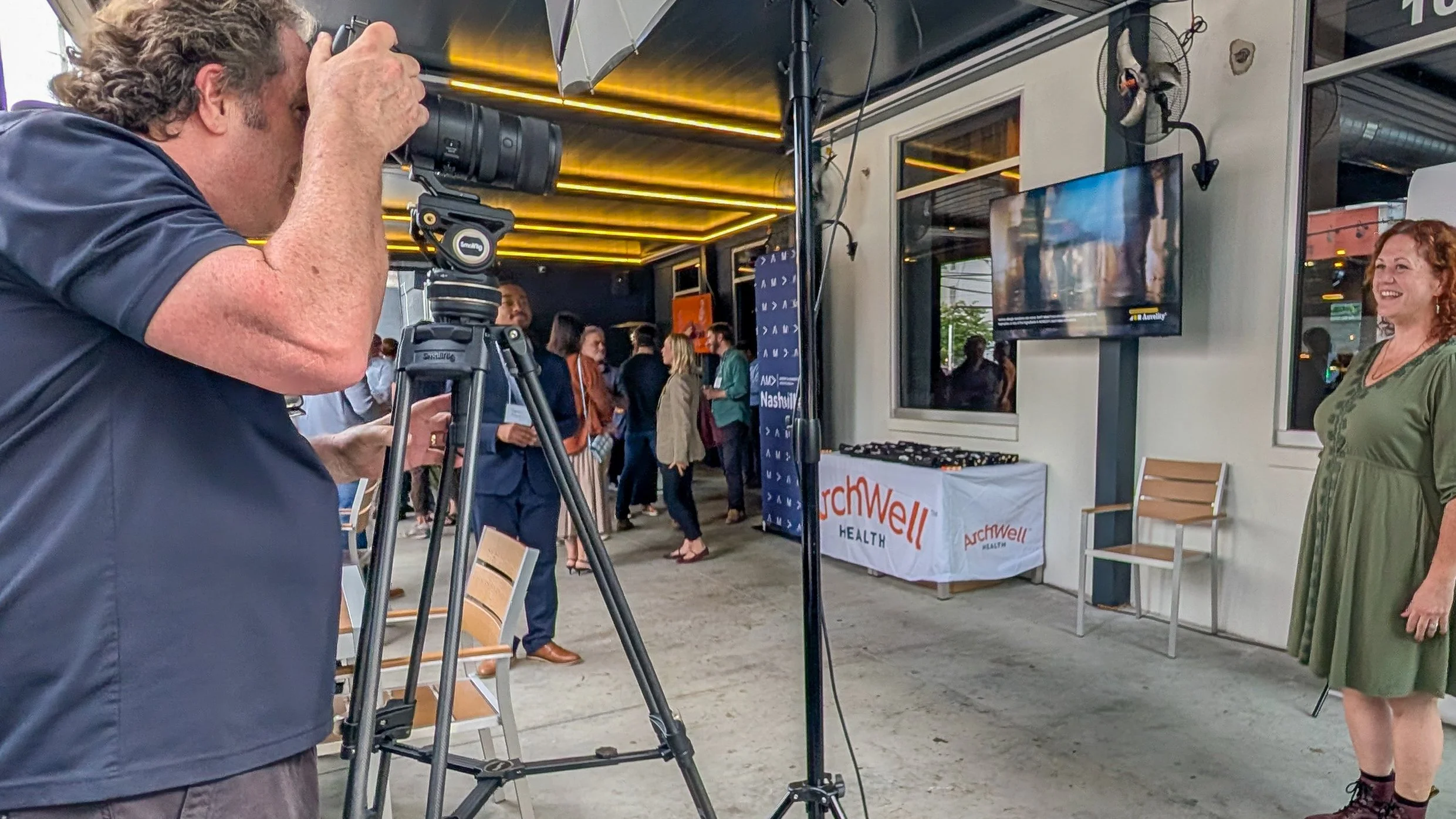
pROFESSIONAL HEADSHOT PHOTOGRAPHY AT AN AMA NASHVILLE MARKETING PROFESSIONALS NETWORKING MIXER PROVIDED BY ARCHWELL HEALTH
Sponsorships can be a great way to raise your organization's visibility among the people you’re trying to reach. But not all sponsorships are created equal. It’s easy to spend and still not see any benefit. When evaluating sponsorship options in Nashville, consider audience fit, key benefits included, the work your team will need to do, and how you will measure the sponsorship's success.
Having your logo visible can help people notice your business, but it’s just one factor. You might also want to build relationships, help your employees grow, or become better known among people in your field. Decide what matters most to your organization before moving forward.
Identify the audience you want to reach
Find out who takes part in the organization or event and how those people relate to your business. While a big crowd can be helpful, it’s more important that the audience is relevant to your goals.
For example, if your company offers services to marketing teams, you might want to talk with people who plan campaigns or choose vendors. If you’re an employer, you may want to meet professionals who could be good candidates for future jobs.
Ask the organization for information they can easily share, like what roles attendees usually have, what industries they work in, or where they’re from. Check if these details are about one event or the whole community.
If you don’t have much information about the audience, keep that in mind when you make your decision. Don’t assume that everyone in the field is a possible customer or candidate.
Connect the sponsorship to a specific goal
Choose your main goal before you compare sponsorship options. For example, if you want to increase brand awareness, be clear about who you want to reach and what you want them to know about your company.
You might want local marketing professionals to see your company as an expert in a certain service. Or you might want to give your staff chances to learn from one another.
Write a brief statement, such as: "We want to support this community because it reaches this audience, and we’ll measure the partnership using these criteria."
This gives your team a shared way to look at costs and benefits. It also helps the organization suggest opportunities that fit your goals, instead of just offering the standard options.
Ask what participation looks like
Ask for a written list of the activities and placements included. Make sure you know the schedule, your responsibilities, how approvals work, and any limits on how your brand can be used.
If your team will take part in the event, find out what they can actually do. Will they attend? Can they present the company? If there are educational sessions, check whether the organizers need to review them.
Learning communities need topics that matter to their members. If you’re sharing your expertise, suggest a topic that answers real questions people have. Also, make sure your proposal meets the organization’s standards.
Don’t expect that sponsorship will give you access to attendee contact details or let you send promotional messages. Check the privacy policy and set up a proper opt-in process for anyone who wants to hear from you.
Consider benefits for your employees
A partnership can be more valuable if your employees can take part. Ask if the sponsorship includes registrations, memberships, or other learning opportunities. Don’t assume these benefits are included; confirm them first.
Next, decide which employees will use these opportunities. Give spots to those interested in the topic to make participation more meaningful than sending last-minute invites.
If you want to recruit, use the sponsorship to get to know the community and learn about people’s interests. Remember, sponsorship doesn’t guarantee access to job candidates or replace a solid hiring process.
Be respectful when building relationships. People at professional events are there to learn and connect, not just to talk about jobs or vendors.
Plan how you will measure and follow through
Decide with the organization what they will report, like placements or attendance, and what your company will track. These are separate responsibilities.
For your own tracking, you could record visits via a tagged link, any voluntary inquiries, any relevant conversations, and/or employee feedback. You can then compare that against the original goal. Don't automatically treat every sale that comes as a result of an event as being a result of the sponsorship.
Include staff time and materials in your budget, not just the sponsorship fee. Choose someone to handle preparation, attend the event, and follow up so the partnership gets proper attention.
Afterward, review what was delivered, what your team learned, and what should change before renewing. Some relationships grow over several interactions, so choose a review period that fits your goals.
If your business wants to connect with Nashville’s marketing community, explore AMA Nashville’s sponsorship opportunities. Discuss the current options and your objectives to assess whether there is a useful fit.