
Inclusive Marketing with Asian Audiences
/
Moving Beyond Cultural Trends to Authentic Engagement
By: KellyThuy Nguyen
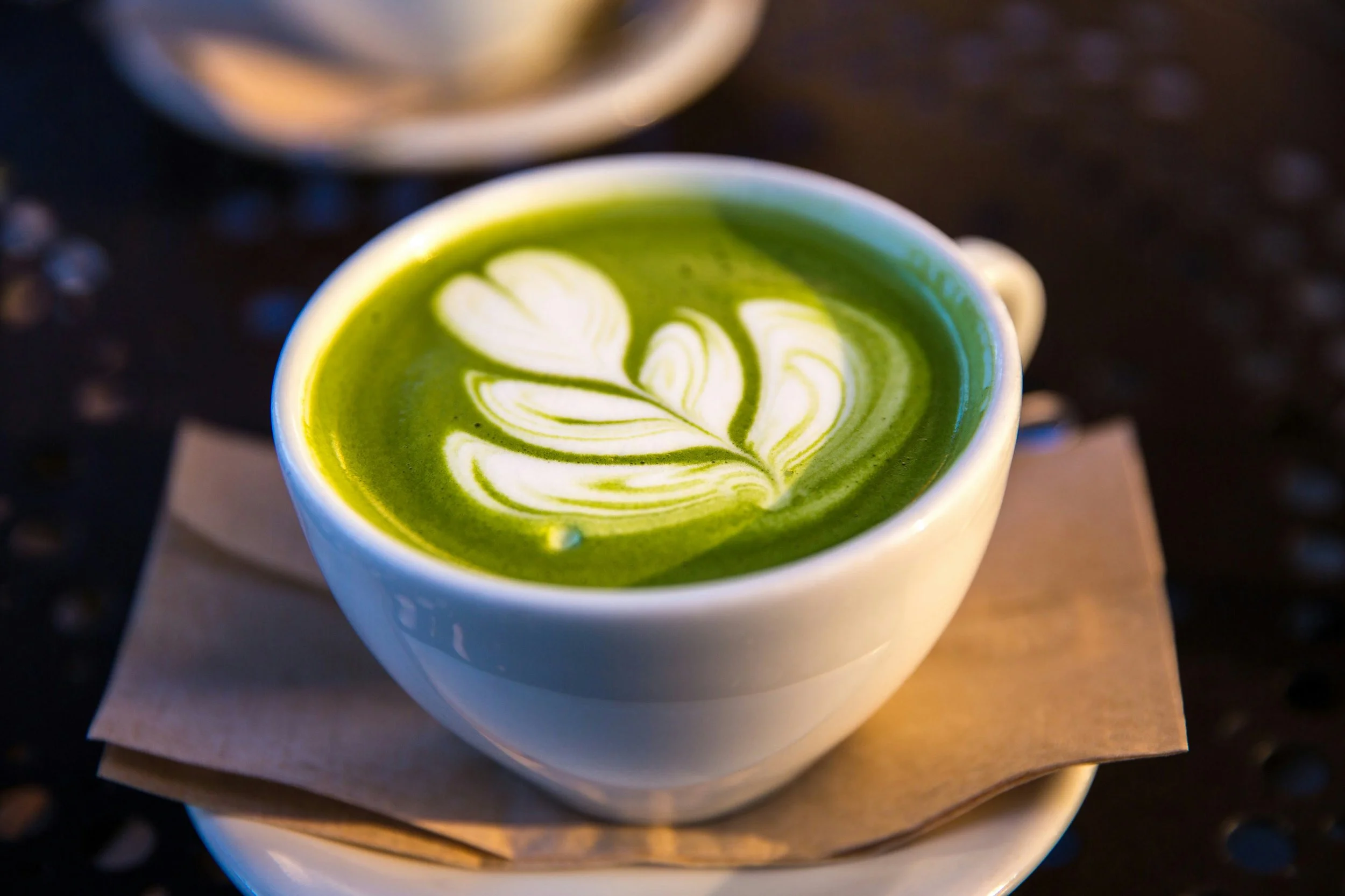
From matcha to Korean skincare to jade accessories, Asian culture is experiencing unprecedented visibility in mainstream marketing and social media. These cultural traditions are going viral online among younger generations, quickly becoming trends or aesthetics. This visibility can be positive, leading audiences to learn more about cultural traditions and practices, but it can also be harmful, diminishing rich cultural backgrounds into being “just another trend”.
When culture goes viral, brands may be quick to hop on, looking to increase their bottom line. This is where it gets tricky — finding a way to reach Asian American audiences authentically, not performatively. The recent controversy surrounding Fly By Jing and TikTok creator Logan Moffitt demonstrates how quickly marketing missteps can spark conversation about cultural authenticity. In their collaboration, Fly By Jing and Logan created a hot pot soup base, claiming it as the “first ever hot pot bomb”. Viewers quickly refuted this claim, citing various Chinese companies that have been making hot pot soup bases for decades. Furthermore, Logan Moffitt is a white content creator known for producing content surrounding Korean cuisine, so viewers question Fly By Jing’s motives on partnering with a creator who has seemingly no connection to Chinese cuisine. Logan proceeded to issue an apology and removed himself from the collaboration in an attempt to mend his and Fly By Jing’s mistake, but the damage was already done.
The backlash wasn’t just about one collaboration; it reflected a broader frustration among Asian audiences about how culture is represented in marketing. Remembering that culture isn’t a trend, but a conversation about history, tradition, and background is the key to reaching multicultural audiences.
The Rise of “Asian Culture as Aesthetic”
Asian culture is becoming increasingly popular in current media, often as visual or lifestyle inspiration in marketing campaigns and influencer marketing.
Examples include:
Matcha and Chai becoming a staple menu item at non-Asian cafes and beverage chains
Korean skincare routines penetrating Western markets
Lunar New Year campaigns appearing across more brands every year
While these trends highlight cultural influence, they can also lead to surface level engagement. If brands are participating in Lunar New Year campaigns and ignoring their Asian audiences during the rest of the year, they aren’t being authentic. These communities recognize performative brands, and they will steer clear from brands looking to use their culture as a trend. When culture becomes a trend cycle, it risks losing its rich history and tradition and simply becoming a number on a report.
Why This Resonates with Asian Audiences
According to a report by Nielsen, Asian American and Native Hawaiian/Pacific Islanders (AANHPI) consumers in the U.S. control $1.4 trillion dollars in buying power. Asian Americans are the fastest growing ethnic group in the United States, growing about 81% from 2000 to 2019.
For brands looking to increase their global presence, it’s impossible to look over this. By understanding the cultural nuances that exist in the AANHPI community, brands can look to create a genuine connection, rather than a surface-level transaction. But first, brands must understand authenticity.
Marketing language can unintentionally erase history. By using terms such as “new” or “first-ever” to refer to cultural products and collaborations, campaigns risk overlooking generations of cultural tradition. This type of framing can make long-standing traditions appear to be recent innovations, erasing years of history.
Many Asian consumers can recognize when a brand is being authentic versus performative. For a community that has long experienced its culture being mocked or misunderstood (only to later see it become a trend) it’s understandable that there is caution toward brands that appear to engage with it primarily for commercial gain. Misrepresentation, stereotypes, or lack of context can feel dismissive or disrespectful. It’s important to have representation from within. A company can’t understand multicultural values if they don’t have multicultural representation.
Performative vs. Authentic Inclusive Marketing
In a world where cultural campaigns are often perceived as performative, how can a brand show its authenticity? Authentic inclusive marketing requires intentionality, cultural awareness, and long term commitment. Here are a few DOs and DON’Ts to practicing authentic inclusive marketing with Asian audiences:
DON’T: Only recognize Asian consumers during Lunar New Year or AANHPI Heritage Month.
DO: Show year-round appreciation and engagement with Asian communities through partnerships, storytelling, and collaboration.
DON’T: Launch marketing campaigns about Asian culture without consulting people from its community.
DO: Have Asian voices at the table to prevent miscommunication before it happens.
DON’T: Treat Asian culture as a trend or aesthetic without acknowledging its origin.
DO: Provide cultural context and give credit to the communities and traditions that inspire your campaign.
From Trend to Trust
Cultural influences will continue to shape the world and the way brands interact with their audiences, particularly through social and marketing trends. However, culture must not be treated simply as a “viral opportunity” or “aesthetic”. Brands that approach multicultural marketing with authenticity, curiosity, and research can build meaningful connections with Asian audiences, leading to a culturally rich future. Inclusive marketing is not just about representation. It’s about respect, cultural understanding, and long-term trust.